
It’s no secret that cooking at home can save you significant money over buying takeout or premade meals. But to unlock those savings, it helps to have certain budget-friendly cooking competencies. These essential budget cooking skills are important for every home to have. Understanding meal planning, smart shopping, creative use of ingredients, and proper food storage allows you to whip up delicious food while sticking to your budget. Read on for essential budget cooking skills every home chef should know.
Meal Planning is Key to Saving Money on Food
The foundation for affordable home cooking is planning out your meals in advance. When you know what you’re going to cook each day, you can create targeted grocery lists, purchase only what you need, and avoid last-minute takeout orders or throwing away spoiled produce.
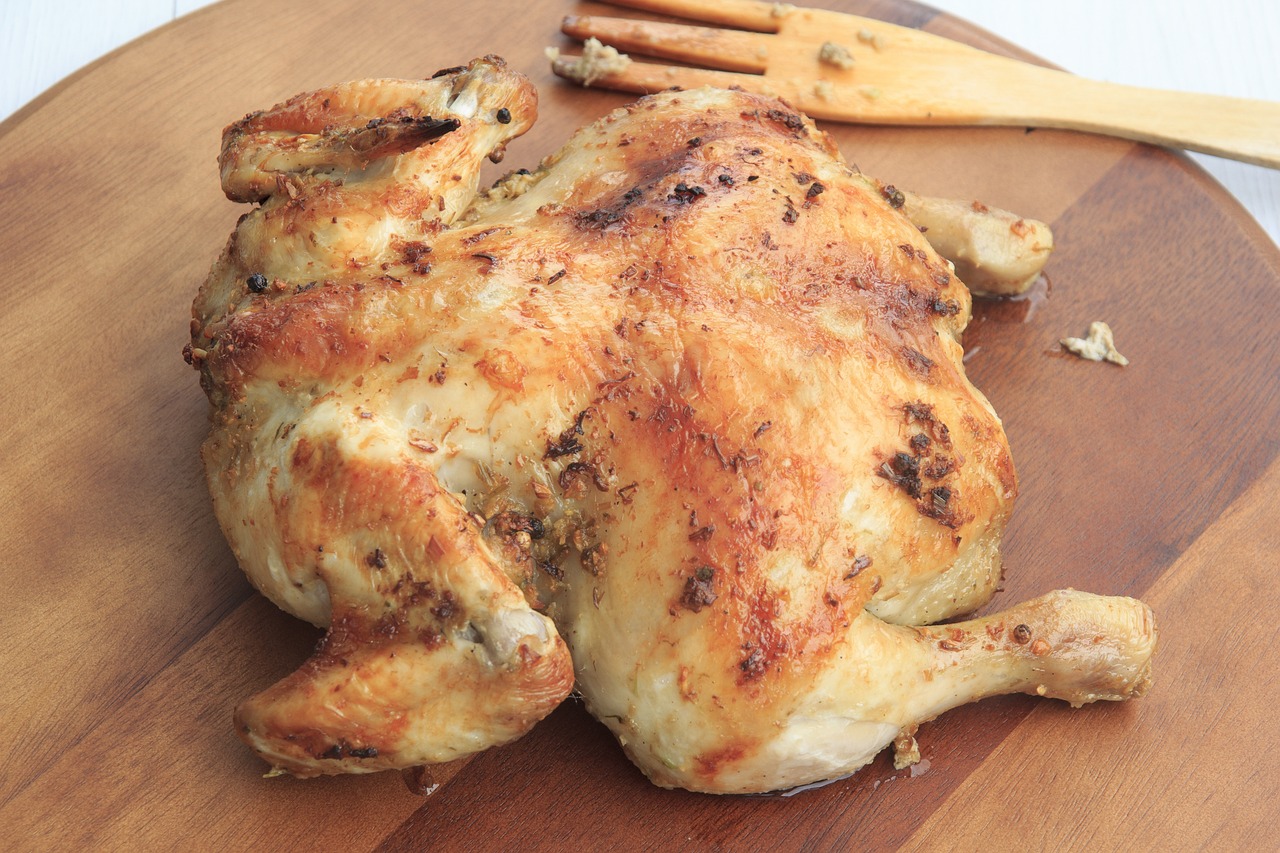
Aim to draft weekly meal plans that reuse ingredients across recipes to prevent waste. For example, plan to use a whole chicken for an easy roast chicken dinner one night, then make tacos, soup, or salad with the leftovers later in the week.
It also helps to include a mix of affordable proteins, grains, and produce in planned meals. Feature less expensive proteins like eggs, beans, lentils, and chicken more often than pricier cuts of meat. Fill out meals with budget whole grains like brown rice, barley, and farro or starches like sweet potatoes. Frozen fruits and veggies provide cost-effective nutrition too.
Here’s a sample weekly dinner plan shopping for a family of four on a $100 budget:
– Monday: Slow cooker chicken tacos with pinto beans & salsa. Side salad.
– Tuesday: Veggie & bean soup with whole grain rolls
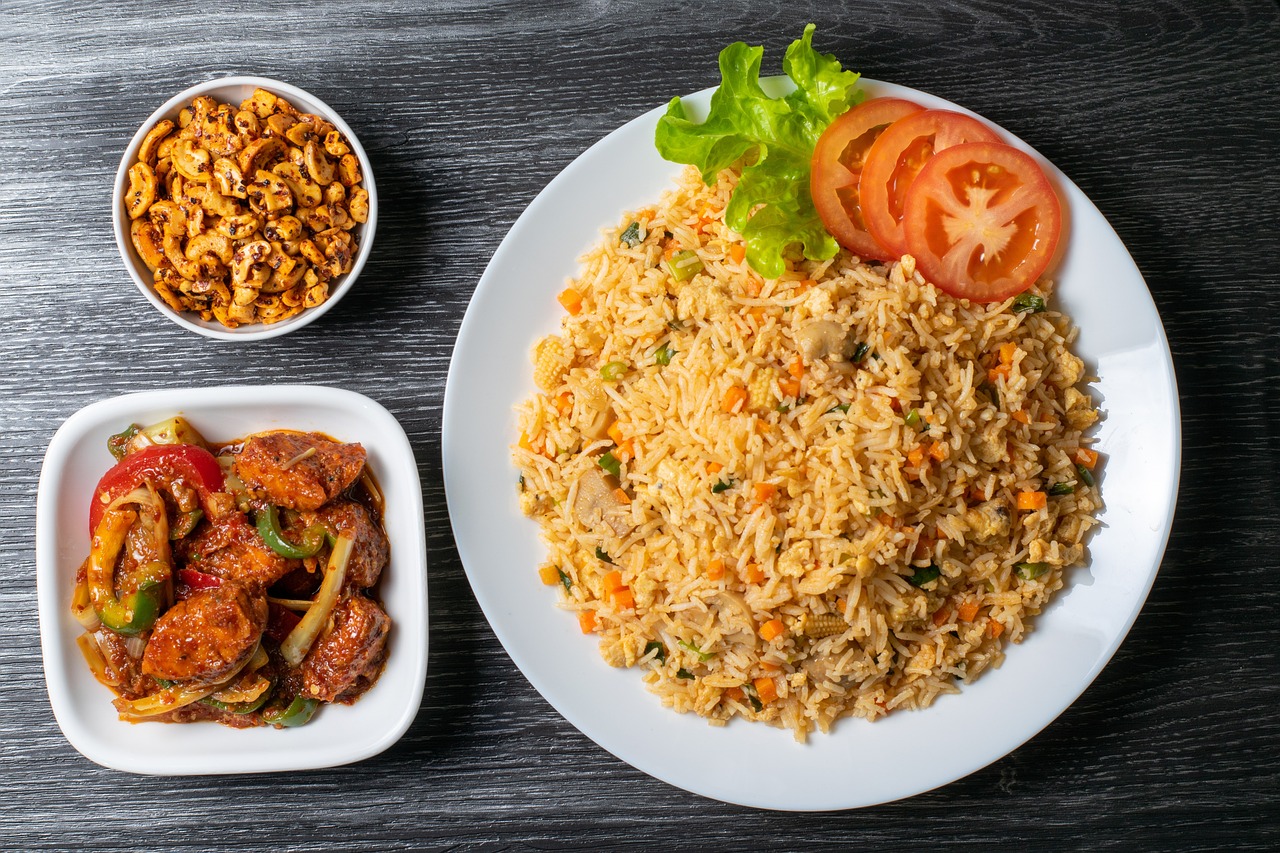
– Wednesday: Egg fried rice with mixed frozen veggies
– Thursday: Chicken enchiladas with black beans & corn. Fruit salad side.
– Friday: Tuna melts with tomato soup & carrot sticks
– Saturday: Vegetable pasta bake. Side green salad.
– Sunday: Veggie & turkey subs with oven fries
Grocery Shop Smart to Stock Up on Essentials
Once you’ve mapped out meals for the week, put together a comprehensive grocery list so you buy only the items needed for planned recipes. Stick to perimeter aisles at the store for affordable whole foods like fruits, veggies, lean protein, dairy, eggs, beans and purchase shelf-stable items in bulk when possible.
Compare prices between name brand and generic store label items, and always check the unit price when deciding between different package sizes. Buying in bulk makes sense if the per ounce cost is cheaper compared to a smaller package size. Purchase produce in season when prices typically dip.
Beyond planned meals, build your budget pantry with versatile base ingredients you’ll reuse often:
– Grains: brown rice, oats, barley, quinoa
– Beans & lentils
– Onions, garlic
– Eggs
– Frozen fruits & vegetables
– Canned whole tomatoes
– Broth
– Spices like cumin, oregano, chili powder
Having these building block ingredients on hand makes it simple assemble affordable meals anytime. If you have the budget cooking skills to maximize the staples mentioned above, you’ll save even more money.
Get Creative Stretching Foods Further
Once the groceries are bought, it’s time to start cooking! The keys to unlocking maximum value from groceries come down to flexibility and creativity.
Substitute cheaper ingredients that make sense for a recipe. For example, use canned beans instead of pricier meats in a chili or veggie tacos rather than ground beef. Stretch ground meat dishes by mixing in chopped mushrooms or browned lentils for extra fiber and texture.
Repurpose leftovers and foods nearing expiration into brand new dishes later in the week. For example, roast chicken pieces transform into filling for enchiladas, sandwiches or salad topping. Near-stale bread, vegetable trimmings and wilting produce gets new life as homemade broth or veggie stock.
Utilize basic cooking methods that save time and money like batch cooking. Roasting sheet pans filled with vegetables yields plenty of healthy sides across meals. Making a big pot of chili, soup or casserole means built-in lunches or effortless future dinners. Preparing a few core items like roast chicken, pot of rice or baked potatoes in bulk allows quick meal assembly all week.

Having an arsenal of budget-friendly recipes helps combine affordable ingredients into balanced meals. Build up your own go-to recipe binder with simple dishes featuring humble whole foods across a mix of cuisines to keep home cooking cost-effective and exciting.
Master Tried and True Low-Cost Pantry Staples
Creating enjoyable meals on a budget boils down to making the most out of a few humble staple ingredients again and again. Here’s a cheat sheet to affordable ingredients that deliver lots of value:
– Proteins: Eggs, canned tuna, beans, lentils, chicken
– Grains: Oats, brown rice, barley, whole grain pasta
– Vegetables: Onions, carrots, cabbage, sweet potatoes, frozen spinach, canned tomatoes
– Fruit: Bananas, apples, seasonal berries
Some examples of staple recipes to have on regular rotation:
– Scrambled egg tacos
– Veggie lentil soup with rice
– Chicken and veggie stir fries with brown rice
– Sweet potato black bean vegetarian chili
– Pasta with tomato sauce and/or canned tuna
– Veggie omelets with toast
See how these dishes maximize inexpensive proteins, veggies and whole grains? Build up your affordable kitchen arsenal by learning 5-10 recipes that showcase budget staples in meals your household enjoys. These important budget cooking skills help push the staples further.
Store Food Correctly to Reduce Waste
Making groceries go further also requires proper storage to prevent spoilage or waste.
For produce storage:
– Keep veggies with skins like potatoes and onions in a cool, dark place like pantry.
– Store delicate greens, herbs and berries wrapped in kitchen towels in crisper drawer of fridge.
– Place ethylene gas producing fruits like apples, bananas separately from sensitive items.
With proteins and cooked foods:
– Store raw meat on lower shelves away from other food. Freeze any you won’t use in a few days.
– Refrigerate leftovers and cooked items in air tight containers, using oldest first.
– Portion out bulk cooked rice, grains or beans into usable amounts and freeze extras.
General fridge and freezer guidelines help groceries maintain maximum freshness as long as possible:
– Set fridge temp at or below 40°F. Place thermometer inside to monitor.
– Cool down hot foods prior to refrigerating to avoid temperature spikes.
– Place items with older dates in front. Label perishable foods with purchase date.
– Freeze anything you won’t use within 3-4 days or per package guidelines.
Learning essential meal planning, shopping, cooking and storage skills helps unlock the savings of home cooking on a budget. Start putting these budget-friendly best practices to work for affordable, fresh and delicious everyday meals. Consistently applying these kitchen skills makes eating well at home for less second nature and saves significantly over convenience food costs long-term.
Frequently Asked Questions
-
Why is meal planning so important for budget home cooking?
-
What are some easy meal planning tips for a busy family?
-
What should I include in a weekly meal plan to save money?
-
How can I find cheap recipes to use in budget meal planning?
-
What grocery shopping tips help me stick to my budget?
-
Should I buy store brand or generic items over national brands to save money?
-
How can I get the best price on fresh produce?
-
What are versatile and affordable pantry staples I should always have on hand?
-
How can I stretch leftover foods into new meals later on?
-
What are the most budget-friendly proteins to cook at home?
-
What are simple cooking methods that save money?
-
How can I batch cook inexpensive basics like rice or beans to use all week?
-
What common kitchen substitutions help cut costs?
-
How should I properly store fruits and vegetables to maximize freshness?
-
What temperature should my refrigerator be set at to make food last?
Leave a Reply