• Skip to main content
  • Skip to primary sidebar

Bite On A Dime

How can I stretch leftover foods into new meals later on?

January 14, 2024 by bonnierpaulson@yahoo.com Leave a Comment

Leftovers often get a bad rap for being boring repeats, but with some creative repurposing, you can give almost any leftover new life in fun, delicious ways for essentially free future meals from already-paid-for ingredients. Learning smart strategies for spinning leftovers into totally reinvented dishes saves money and reduces food waste.

Think outside the box of just reheating leftovers as-is. Incorporate small leftover amounts into entirely new recipes instead. Throw stray vegetables, grains, chopped meat or leftover smoked salmon into salads, frittatas, soup or casserole bakes. Leftover bits make excellent next-day fried rice or noodle bowls tossed together. Stale bread transitions into crispy homemade croutons.

Transform last night’s protein or veggies into sandwich fillings or pizza toppers. Shred leftover chicken, beef or pork into barbecue mixes or taco meat replacements. Dice grilled eggplant, peppers and zucchini into pasta sauce instead of throwing away stray pieces.

Get creative with leftover baked goods too. Use dry ends of a bread loaf in stuffings or French toast batter. Break up day old baked goods into homemade cake pops or trifles layered with whipped cream and fruit. Even cookie crumbles add tasty mix-in to grab and go breakfast bars with nuts and oats.

Don’t discount making completely new dishes centered around leftover focal ingredients but with fresh accouterments. For example, swap leftover chicken from an already enjoyed meal into brand new preparations like enchiladas, pot pies or salad wraps with totally different flavors and textures thanks to new produce, spices and sauces doing the heavy lifting.

Essentially treating leftovers as handy ingredient components versus tracks for exact repeats is the key to exploiting their versatility into something deliciously new to look forward to. Maintain an experimental mindset and you’ll discover limitless ideas for putting leftovers to innovative use. You save money reducing waste while keeping tastebuds excited. Scan ingredient displays, cookbooks or online recipe sources anytime creativity needs igniting for your latest leftover adventure.
Filed Under: Budget Basics, Tips and Tricks

What are the most budget-friendly proteins to cook at home?

January 14, 2024 by bonnierpaulson@yahoo.com Leave a Comment

Protein foods make up a critical part of a balanced diet, but certain types tend to take a bigger bite out of grocery budgets. Prioritizing more affordable proteins that still deliver ample nutrients reduces costs without sacrificing satisfying meals.

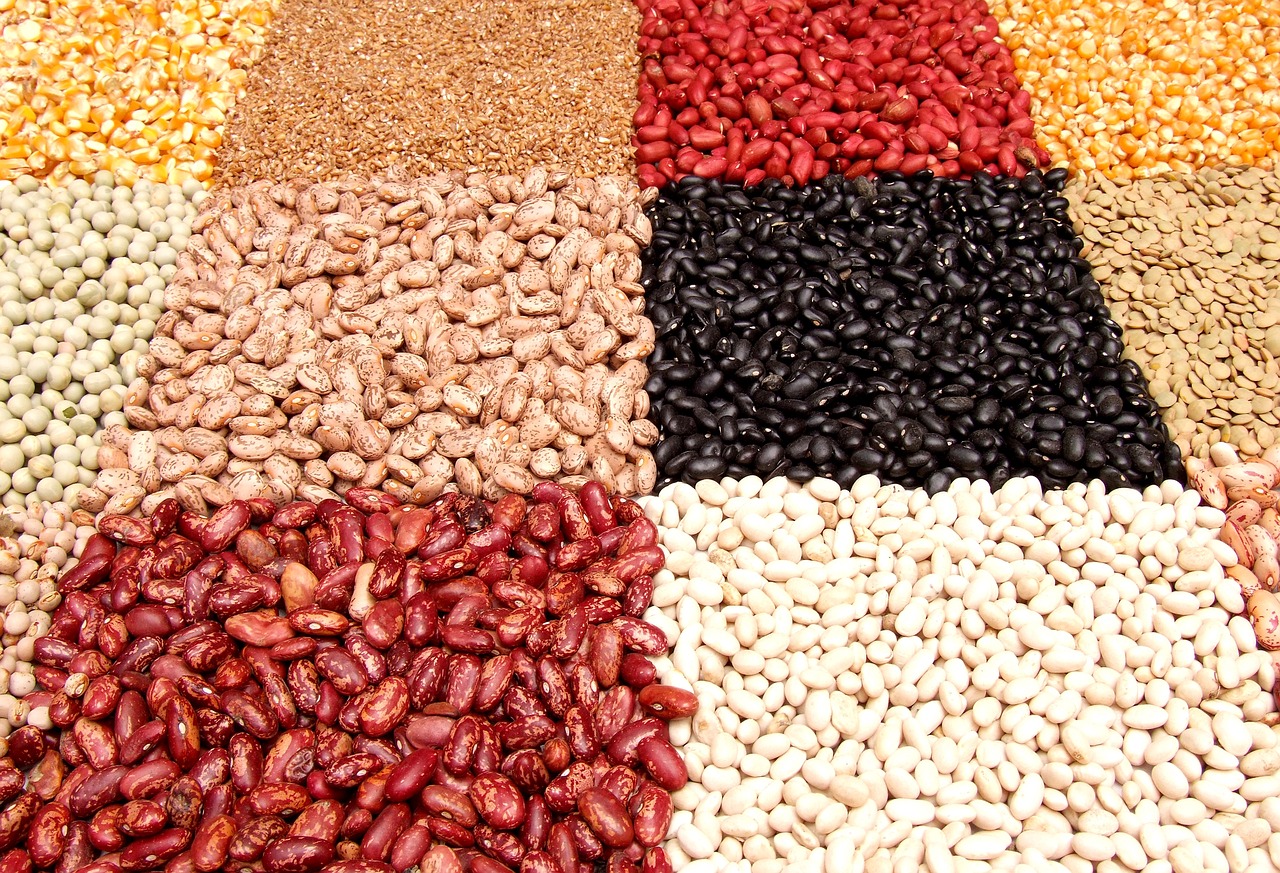
Beans and lentils offer some of the most wallet-friendly ways to incorporate plant-based protein in home cooking. Canned varieties require zero prep work while dried bags simply need overnight soaking for versatile additions to soups, stews, tacos, rice bowls and veggie burgers. Lentils in particular blend seamlessly into meaty sauces, salads and sides.

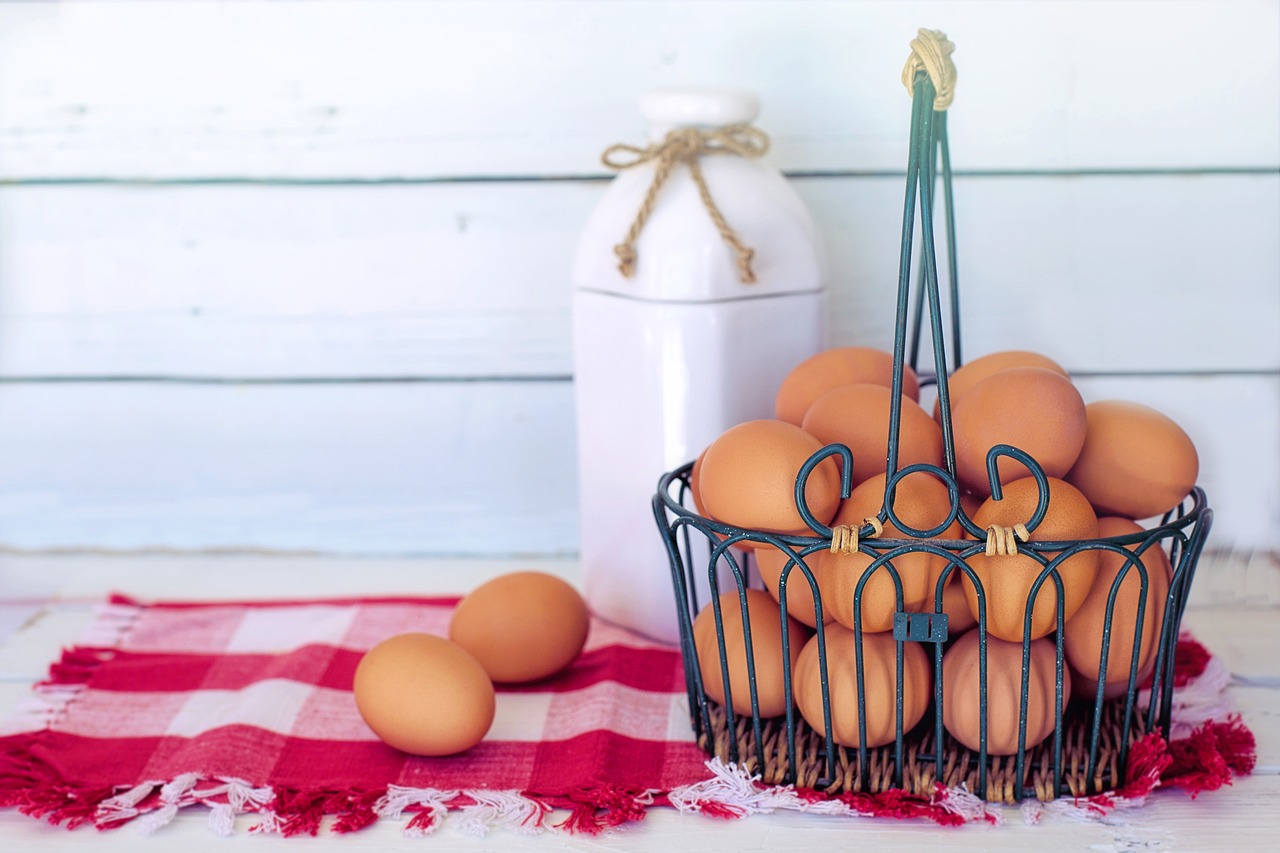
Eggs consistently rank as an affordable protein bargain based on cost per gram of quality protein. They store easily while offering incredible versatility across any meal from simple boiled eggs to scrumptious baked egg casserole dishes and satisfying scrambles loaded with affordable veggies.

Ground poultry like turkey or chicken stands out over pricier beef and pork with plenty of protein punch for pasta dishes, stir fries, meatloaf mixtures, chili and taco fillings. Opting for ground over cuts like breast or thighs saves even more. Frozen seafood like tilapia, salmon and shrimp won’t break the bank either for easy sheet pan or skillet dinners.

Don’t overlook canned tuna or salmon either. While not as inexpensive as in past decades, canned fish still offers an affordable concentrated protein boost for salads, sandwiches or omega-3 rich additions to rice bowls and veggie sides. Compare prices on generic cans to save even more.

Cheaper cuts of meat like chicken legs and thighs, pork roasts and bone-in short ribs typically cost less per pound due to slightly higher fat or bone percentages. Choosing these over trendy airy chicken breasts and lean boneless chops puts more budget-friendly options in regular dinner rotation.

Consuming plant proteins more often optimizes savings, but switching up types of animal proteins between budget picks like eggs, ground poultry, canned fish and more economical cuts keeps meat in meals while easing grocery costs. Thinking beyond just defaulting to expensive lean beef or boneless breasts opens doors for lots of tasty, wallet-friendly protein cooking.

Filed Under: Budget Basics, Tips and Tricks

What are simple cooking methods that save money?

January 14, 2024 by bonnierpaulson@yahoo.com Leave a Comment

Specialty cooking gadgets and complicated culinary techniques may garner all the hype, but preparing tasty budget-friendly meals at home often comes down to embracing simpler methods. Focusing your energy on easy cooking basics like batch baking, slow simmering and pan frying ensures delicious versatility without cost or skill barriers.

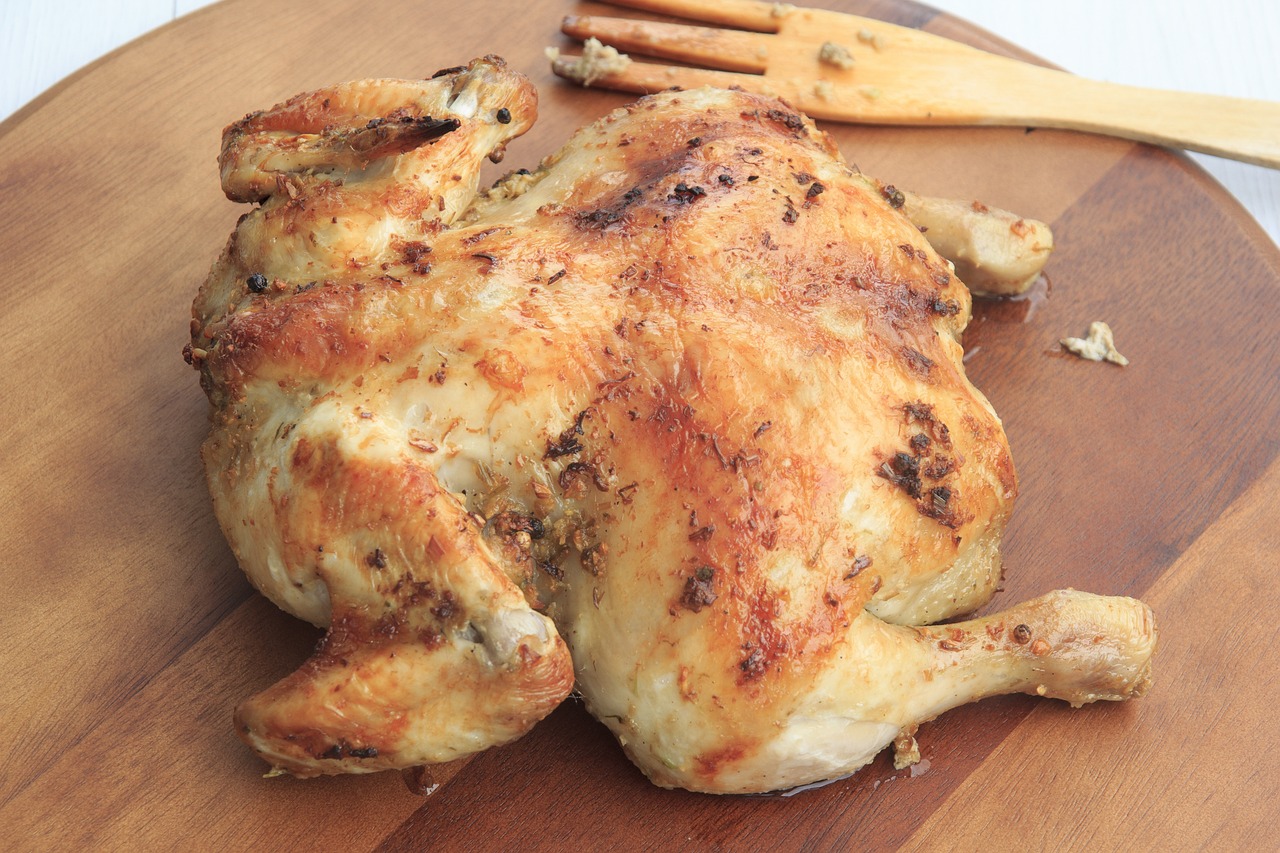
Oven roasting stands out for affordably unlocking immense flavor and texture possibilities across ingredients from meat and vegetables to eggs and beans. Toss vegetables or bake chicken right on a sheet pan with simple seasoning for hands-off meals with concentrated flavor thanks to dry ambient heat coaxing out natural sweetness.

Slow cookers and electric pressure cookers like the Instant Pot utilize wet cooking methods for tenderizing affordable tougher cuts of meat into fall-off-the-bone delicacies. Chuck roasts become mouthwatering pulled beef or pork while chicken legs and thighs transform into savory shredded fillings for tacos, soups, sandwiches and casseroles. These appliances help budget proteins shine through low and slow loving care.

Simple pan frying or sautéing also keeps money in your wallet by quickly cooking smaller ingredient amounts inbatches right in a standard skillet rather than firing up the oven or grills. Think crispy veggie stir fries, pan seared salmon filets in lemon butter or foil packet camping meals cooked right over the stove burner.

While more elaborate cooking techniques certainly have their place for special occasions, do not overlook simpler methods your grandparents would have used. Perfectly roasted chicken and vegetables or simmered bean dishes made simply can stand proudly next to dishes boasting fancier ingredients or preparations while keeping grocery budgets intact.

Stick to easy techniques leveraging basic appliances and modes like baking, steaming, simmering or searing to prepare humble whole food ingredients into complete, delicious budget-conscious meals. Let time and steady heat transform modest proteins, vegetables and grains into craveworthy family favorites without breaking the bank. Simplicity and consistency saves.

Filed Under: Budget Basics, Tips and Tricks

How can I batch cook inexpensive basics like rice or beans to use all week?

January 14, 2024 by bonnierpaulson@yahoo.com Leave a Comment

Between hurried schedules and daily dinner fatigue, getting healthy affordable meals to the table every night can feel downright impossible. However, batch cooking basics like whole grains and beans makes putting together quick, satisfying meals simple when you’ve already tackled some of the prep work.

Choose a day when you have more spare time like a weekend to do an extended cooking session focusing on versatile base ingredients used across multiple recipes. Good candidates for batch cooking include whole grains like brown rice, quinoa, barley or whole wheat pasta along with beans like chickpeas or lentils.

Cook at least a couple cups of whole grains so you have a hearty starting base ready to mix and match into bowls, salads, veggie sides, stuffed peppers and more all week long. Grains keep well refrigerated for several days for grab and go convenience. Reheat single portion amounts right in the microwave or skillet as needed for fast meal assembly.

With beans, soak and simmer a full bag dried or simply dump canned beans into a pot with aromatic ingredients like garlic, onion, peppers and spices to infuse loads of extra flavor beyond plain out of the can. Portion out batches into freezer bags lying flat for easy thawing. Beans transform into quick dips, toppings, taco fillings, soups and more.

While you have the oven going, roast sheet pans filled with affordable vegetables too like carrots, broccoli, cauliflower or Brussels sprouts. Roast different veggies separately, then store portions in fridge to add as ready made sides or toppers to grain bowls and more throughout the week.

Similarly, use extra time to cook a larger batch of chicken pieces or ground turkey. Shred or chop cooked chicken into instant sandwich filling, casserole ingredient or homemade chicken salad without needing a separate cook session later.

Tackle steps like cooking grains, beans, proteins and vegetables in bulk during less hectic pockets of time so that no matter the night, assembling healthy and affordable dinners becomes simply a matter of combining ready batch cooked ingredients. Reduce daily dinner headaches with some weekend warrior meal prep!

Filed Under: Tips and Tricks

What common kitchen substitutions help cut costs?

January 14, 2024 by bonnierpaulson@yahoo.com Leave a Comment

Ingredient prices fluctuate and premium specialty items strain grocery budgets unnecessarily. Luckily, there are many ingredient swaps you can make using items typically on hand to achieve similar flavor and texture for less. Getting savvy with these common kitchen substitutions helps cut costs without compromising taste.

Swap full-fat dairy items with comparable plain Greek yogurt for savings and added protein. Use yogurt measured cup for cup in place of sour cream or mayo in creamy dressings, sandwiches, bakes and more. Stirring in lemon juice and herbs punches up tang missing from lower fat subs. Thinned yogurt also works great subbed for pricier heavy cream in soups and sauces.

Trade expensive oil-packed sun-dried tomatoes for cheaper yet flavor-packed tomato paste plus herbs. Add a couple teaspoons of tomato paste along with Italian herb seasoning anywhere recipes call for sun-dried tomatoes. You capture concentrated flavor for pennies without the hefty price tag.

Love using fresh herbs but the costs add up quick? Opt for frozen herbs or dried herb blends instead which offer comparable flavor at a more budget-friendly price point in recipes where herbs get cooked, like soups, grains or roasted vegetable sides. Use dried herbs at half the amount of fresh.

Brown lentils work beautifully in place of ground beef in dishes like tacos, chili, pasta sauce or sloppy joes. Cooked lentils offer similar texture, heartiness and protein for far less cash. Mushrooms and walnuts also substitute nicely for pricey ground meat in certain dishes.

When baking, swap out pricier nuts for more affordable rolled or steel-cut oats if just seeking crunch or texture contrast. Use an equal amount of oats in recipes calling for almonds, walnuts or pecans. The swap leaves out nutty flavor but saves dollars with barely noticeable textural differences.

With recipe creativity and a little seasoning adjustments, these inexpensive ingredient alternatives help cut grocery costs significantly while still delivering standout flavor. Keep experimenting with substitutions that make the most sense for your taste and budget preferences.

Filed Under: Budget Basics, Tips and Tricks

How should I properly store fruits and vegetables to maximize freshness?

January 14, 2024 by bonnierpaulson@yahoo.com Leave a Comment

Making fresh produce last as long as possible comes down to understanding proper storage methods tailored to different types. Employing small handling adjustments helps extend usability so you waste less while enjoying optimum texture and flavor – a winning combo for both tastebuds and wallets.

Many thicker skinned vegetables like potatoes, garlic, onions and winter squash have longer shelf lives if kept in dark, cool and dry spots around 50-60°F, like a pantry or cellar. Simply placing them in a basket or vented bag in a cabinet will suffice. Maintaining darkness prevents greening and sprouting. Just cut out any sprouts before using potatoes and onions.

Leafy greens, green vegetables and fresh herbs require refrigeration to maintain quality but special care in the crisper. Wrap loosely in slightly damp paper towels then place in a reusable container or bag. Keep ginger unpeeled for longer life but refrigerate other sensitive veggies raw, like asparagus.

Berries and grapes similarly need a damp paper towel wrap to prevent moisture loss but go in a separate container unstacked or berries get crushed. Refrigerate most other fresh fruits loose or in breathable bowls, like apples and citrus – apart from bananas which prefer room temperature storage until ripe when skin fully yellows.

Sort produce properly so fruits emitting high amounts of ethylene gas – like apples, peaches and avocados – stay separated from ethylene-sensitive vegetables like broccoli, green beans and asparagus to avoid premature over ripening.

In the door, eggs and butter keep best with optimal humidity maintained via covering egg flats with original packaging and using a butter dish with lid. Keep milk and condiments towards the front organized by date for first-in, first-out use tracking.

Check produce weekly and use oldest food items first. Careful storage alone can’t work miracles but diligently monitoring conditions, sorting appropriately and employing breathable barriers does maximize shelf life so less ends up getting tossed prematurely.

Filed Under: Tips and Tricks

What temperature should my refrigerator be set at to make food last?

January 14, 2024 by bonnierpaulson@yahoo.com Leave a Comment

You likely grabbed your refrigerator temperature setting out of the box without a second thought, but that random dial turn actually plays an important role in how long foods stay fresh and usable. Optimizing fridge temp means less spoiled ingredients and grocery dollars wasted.

The FDA recommends keeping refrigerator temperature set to 40° F or below to hinder bacteria growth and slow food spoilage. Dairy and meat lasts longer at just above freezing while produce thrives slightly warmer in the low 40’s. Creating an environment too warm though accelerates spoilage plus risks foodborne illnesses.

Most household fridges come preset around 38°F which works well as a happy medium accommodating the ideal storage temperatures for various food types. The key is regularly monitoring the actual temperature with a dependable fridge thermometer to validate the accuracy of settings instead of just assuming the dial maintains precise chilling.

Place thermometers on center shelves in the main compartment since temps fluctuate in different sections. The warmest spots tend to be in the door while bottom drawers and back corners see more cold air circulation for chilling. But a thermometer placed centrally provides the best read on average temps.

Models with dual refrigerator and freezer sections will show the coldest temps towards freezer-side shelves and drawers. Adjust settings gradually and recheck until the overall average temp hovers in the 38-40°F goldilocks zone. Be extra diligent checking temps in summer months when hotter kitchen temps tax refrigeration.

For standalone freezers, stick to around 0° F to maintain frozen integrity without causing freezer burn. Tracking freezer temps proves crucial for avoiding spoilage if power ever cuts out. Note the standing temperature to determine contents safety based on duration without power.

Getting into the routine of actively monitoring refrigerator and freezer temperatures ensures you dial in the optimum range for maximizing freshness shelf life. Spending the extra moments upfront could easily save hundreds of dollars yearly preventing spoiled groceries!

Filed Under: Tips and Tricks

Top 10 Staple Ingredients for Budget-Friendly Kitchens

January 14, 2024 by bonnierpaulson@yahoo.com Leave a Comment

Do your frequent trips down the grocery store aisles feel more like an exhausting chore than an enjoyable cook’s adventure? If you keep these 10 budget friendly ingredients in your pantry, you’ll be able to save money in the long run and deliver healthy food. Those grocery bills adding up even while it seems your fridge goes empty almost as fast as your wallet?

Having a well-stocked kitchen with fundamental affordable ingredients can help transform cooking and make home chef budgeteering much simpler.

Keep reading for the top 10 versatile, cost-effective staples to build your budget cooking around for enjoying more meals made deliciously at home while sticking to financial goals.

Why Stocking Kitchen Staples Saves Money

Filling your pantry, freezer and fridge with frequently used staples over sporadically purchasing specialty ingredients needed for lone recipes makes cooking at home on a budget much more manageable. Building up base supplies allows quickly putting together meals using commonly-used components already on hand versus needing multiple grocery runs to assemble a new dish.

Shopping intentionally for versatile fundamentals from eggs to onions to canned fish enables combining and repurposing staples in different ways across recipes. This creativity means you waste less even if a couple items hang around a bit past planned use. Having basics easily accessible gives the flexibility of entering your kitchen on off days and passionately putting together something without worrying about excluding miscellaneous ingredients.

In addition to ease and flexibility, sticking to key staples that play regular roles in your home cooking ensures purchasing ingredients that pull their weight at affordable price points. Buying bulky bags of rice or frozen produce in advance makes costs per meal pale in comparison to picking up a few nights’ individual fresh fish fillets or shrimp ringers at premium seafood counter prices.

Now that the idea resonates of keeping budget efficiency top of mind when collecting your kitchen crew, let’s drill down on 10 fundamental players worth focusing your funds around to facilitate enjoying home cooking while maintaining financial health.

#1: Eggs

From boiled to baked to fried or whipped into casseroles or sandwiches, eggs offer extremely versatile, affordable nutrition no home cook should overlook. They provide ample protein for little financial burden even on a tight food budget. Pair eggs with in-season vegetables in omelets or frittata recipes to nutrition and cost effectiveness. Load up basic egg salad with celery, onion and spices for extra mega filling power per penny.

Bulk buy cartons to keep this breakfast staple always at the ready for hunger-busting morning meals that go beyond standard scrambles. Creative cooks can utilize eggs for delicious additions across meal occasions with ease on the wallet.

#2 Beans and Lentils

When considering affordable sources of plant-based protein dense in nutrients, none compare with the budget brilliance of beans and lentils. Kidney, black, pinto and garbanzo beans especially prove endlessly versatile members of soups, dips, tacos, rice bowls and homemade veggie burgers. Pair them with rice, corn and spices for pop-able southwest bliss.

Meanwhile, nutrient powerhouses like brown, green or red lentils cook in a snap for blending into saucy curries, meatloaf or meatball mixtures, soups and cold buddha bowls. Essentially taking the place of pricier ground meats in many dishes, they add a boost of fiber and iron. Stock up your pantry with bags of dried options alongside canned varieties for maximum flexibility and savings.

#3 Frozen Produce

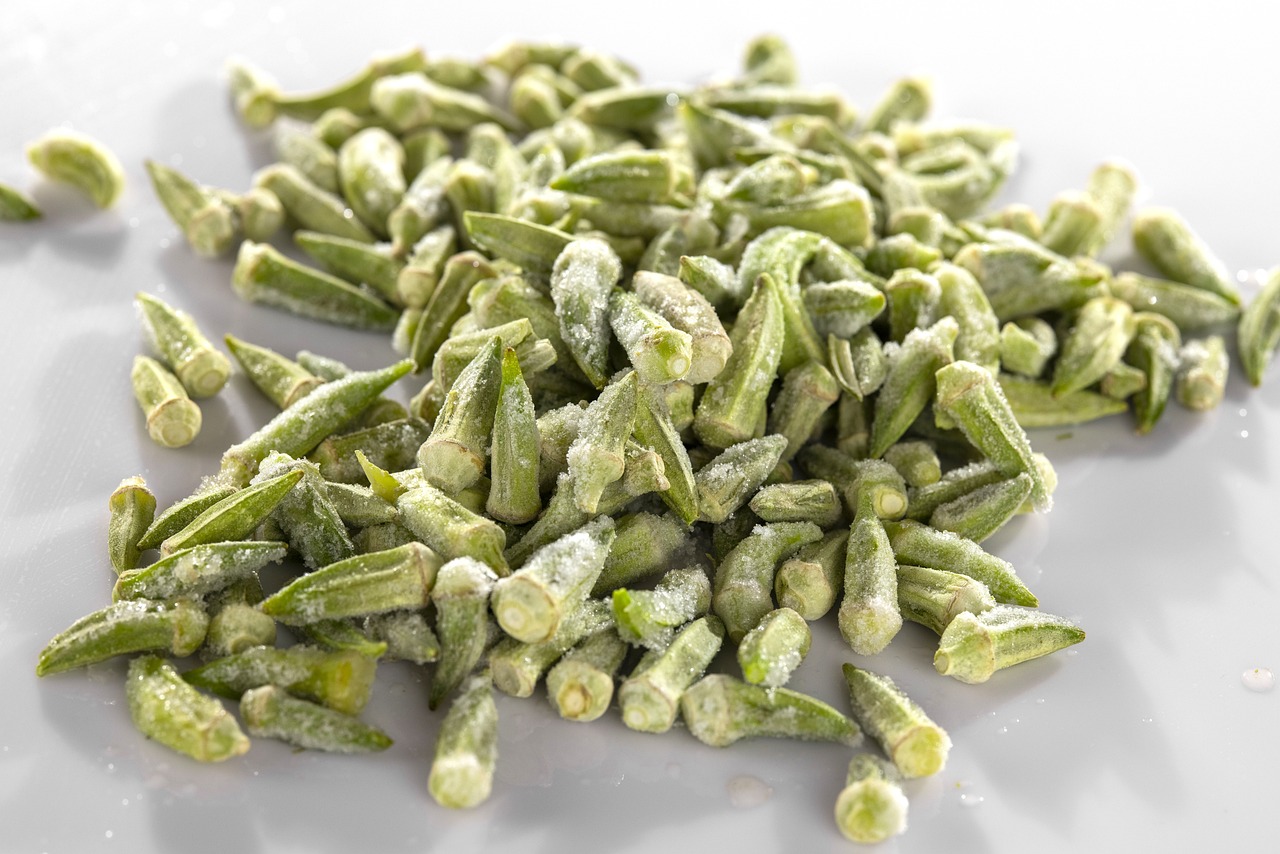
While fresh fruits and vegetables certainly provide optimal crispness for salads or snacking, purchasing quality produce out of season often takes quite the toll on grocery budgets. Having your freezer stocked with dependable bags of mixed veggies as well as specific staples like broccoli, spinach, berries and mango means you can enjoy nutritional benefits year-round with less financial burden. And they require zero prep work – ready to throw right into stir fries, casseroles, smoothies or sides off the bat. Buy more in bulk when on sale.

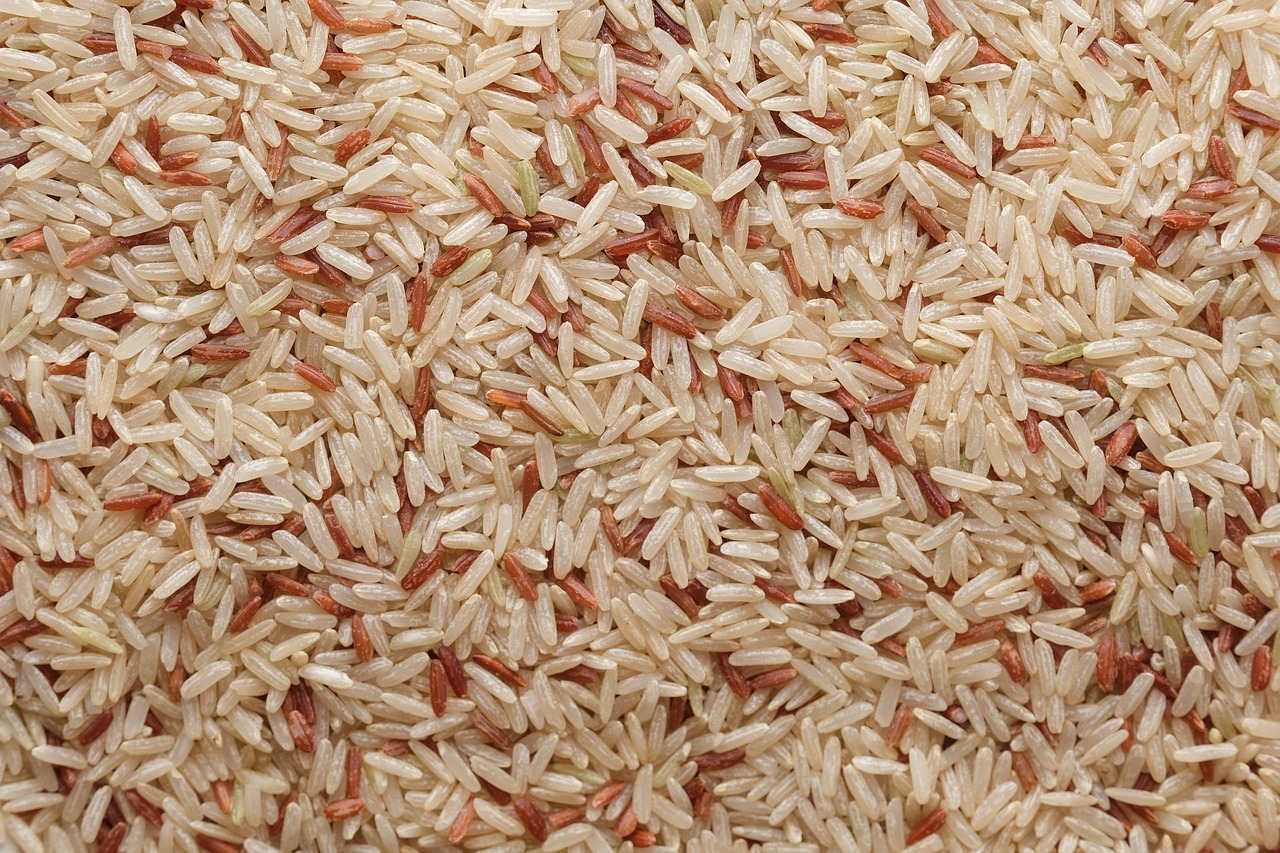
#4 Brown Rice

This budget-friendly complex carb offers immense compatibility with bold flavors and sauces making it a reliable recipe partner on the regular. Cooked brown rice easily combines with proteins, vegetables and globally inspired spices for versatile meals from weeknight bowls to freezer friendly casseroles. Opt for large bags of dry rice over pricier microwavable pouches for maximum bang for your buck. Then portion out cooked rice in fridge containers for fast grain bowls in a snap all week.

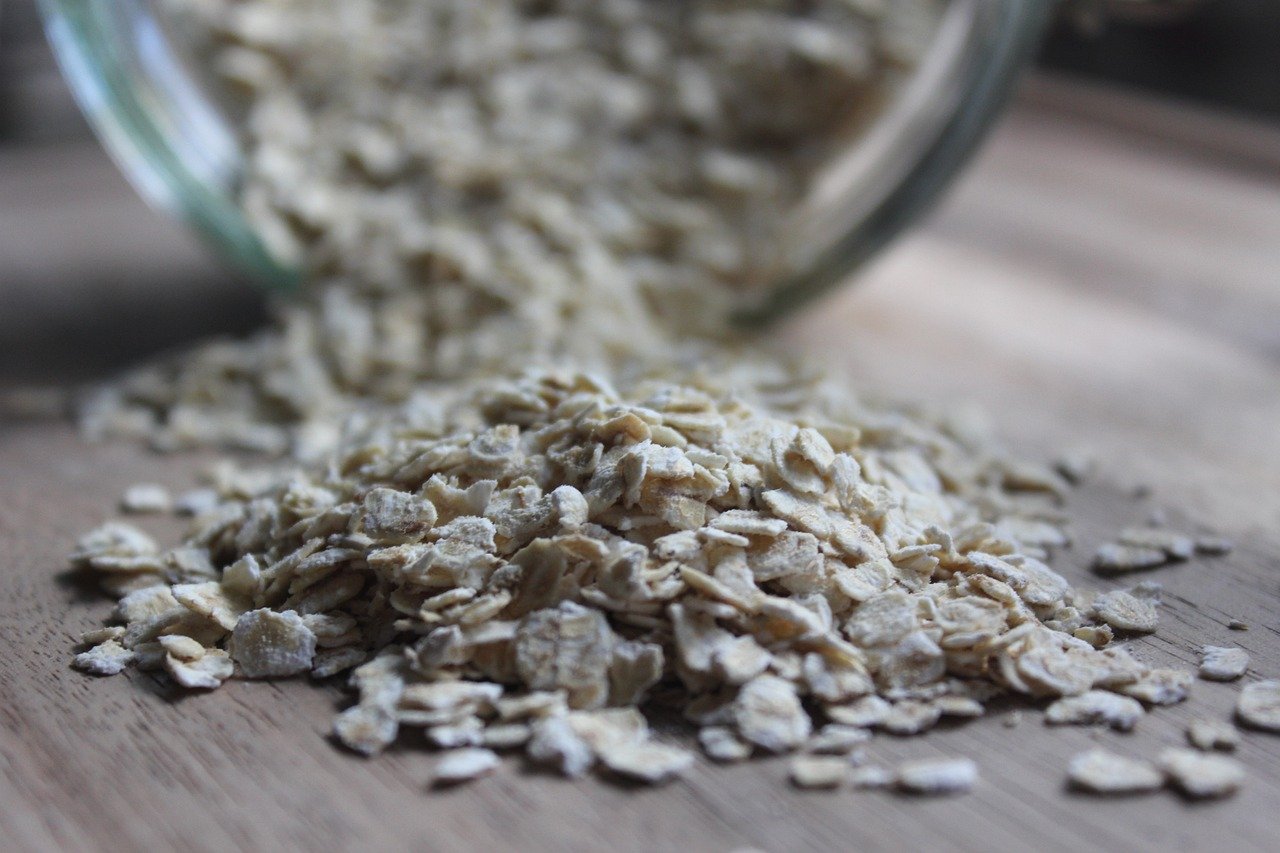
#5 Oats

As an affordable whole grain in both quick and old fashioned styles, oats supply sustained energy through quality carbs and fiber for very minimal financial output – plus lower prep times and less mess than many breakfast options. Beyond classic muffins and breads, steel cut or rolled oats also blend beautifully into homemade granola bars, crispy toppings and even add hearty texture to burgers and meatballs. Store dry oats in airtight containers and they hold up for months to become a diverse ingredient across sweet and savory dishes.

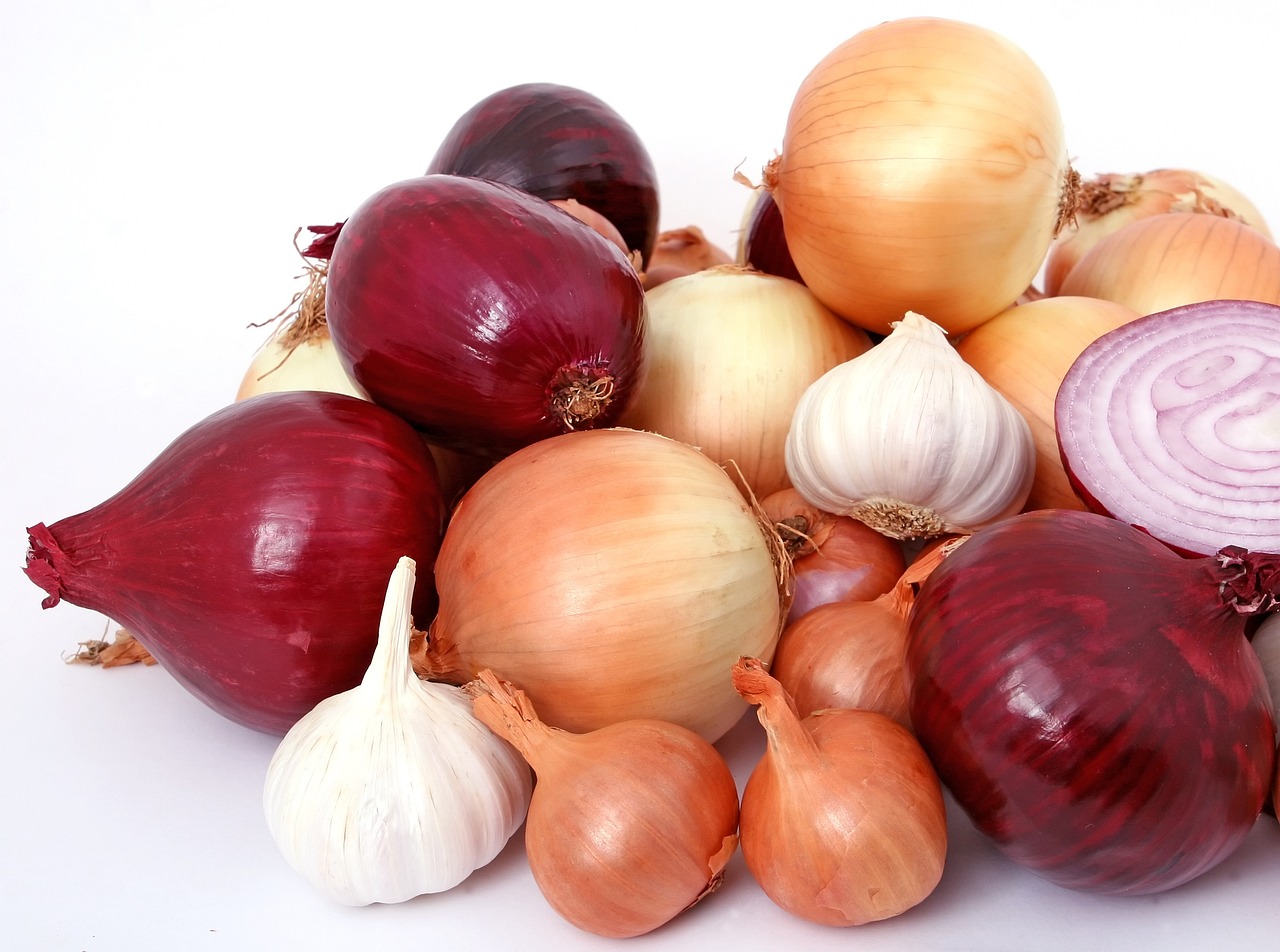
#6 Onions and Garlic

These allium aromatic veggies bring loads of flavor possibility without breaking budgets. Sauted, caramelized, roasted or blended into pastes and sauces, pungent onion and garlic provide foundational flavor enhancement making nearly any home cooked dish more craveable. Their low costs means you can load up soups, tacos, curries, grain bowls and veggie dishes with these tasty alliums without going over grocery budgets. Purchase bags of onions and whole garlic bulbs for just pennies apiece to become MVPs of your happy home cooking lineup.

#7 Canned Fish

Safe skipjack tuna, salmon, sardines and mackerel provide conveniently shelf-stable, budget-friendly concentrated protein and heart healthy omega-3s ready for sandwiches, salads, casseroles or solo snacking straight from the can. While fresh seafood often carries a luxury price tag, canned fish varieties offer comparable nutrition for the budget conscious. Spend a little more for sustainably sourced wild caught varieties when possible. But either way, keep a rotation of these omega-3 all-stars in your pantry for putting together fast protein packed meals and snacks anytime.

#8 Frozen Herbs and Spices

Refrigerated tubes of fresh basil, cilantro or parsley certainly taste delicious, but the costs add up quickly when you use herbs often to add flavor dimension across recipes. Luckily frozen herb cubes or jars allow capturing that just-picked freshness at a fraction of the price – difference barely noticeable once incorporated into cooked dishes! These are amazing as budget friendly ingredients.

Dried oregano, cumin, chili powder and curry spice blends also supply flavor enhancing and money saving credentials over pricier individually bottled ground counterparts. Purchase the optimal sized jars for your household use frequency, then pour spice mixes into reusable containers with adherence labels for identifying what’s what at a glance so you actually use them!

#9 Whole Grain Pasta

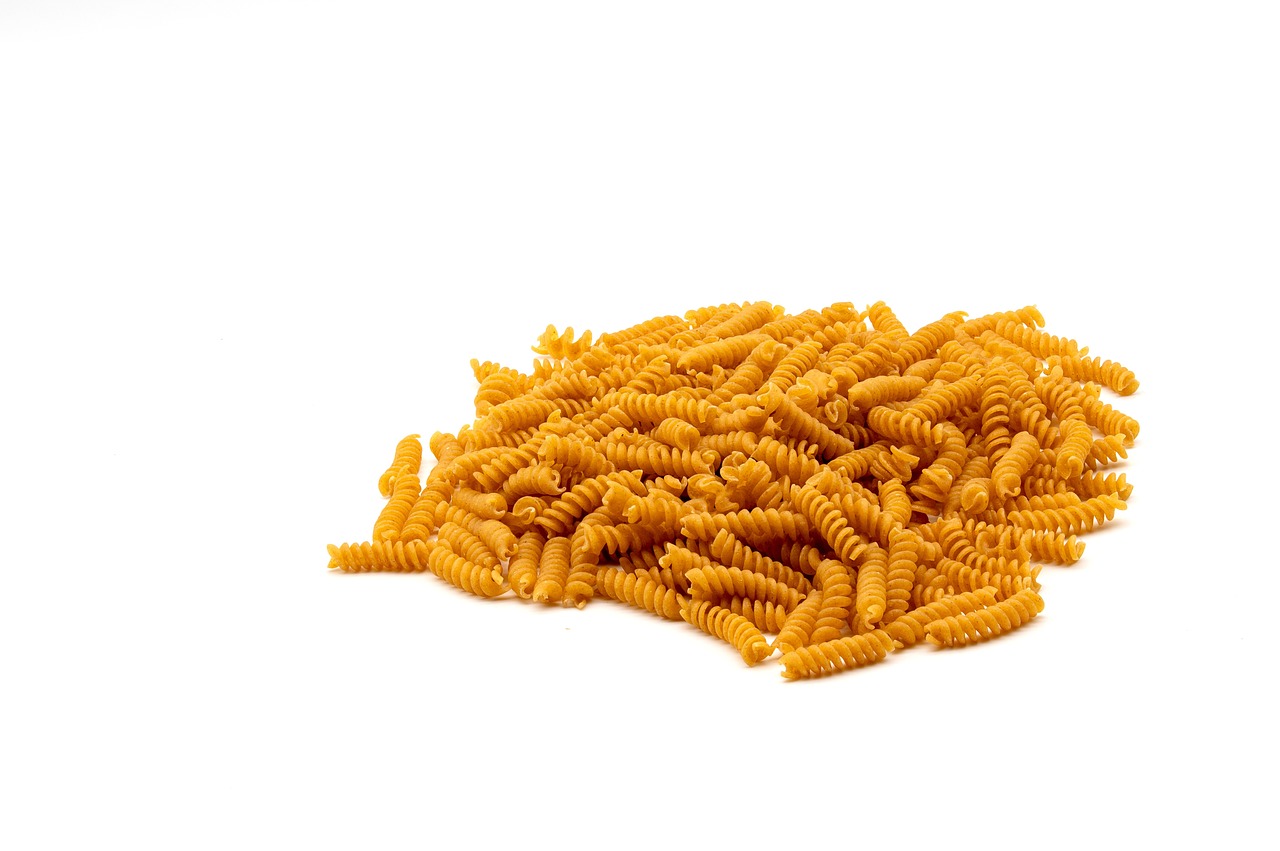
Pasta often takes a bad rap as an empty carb, but opting for 100% whole grain noodles over refined versions means you secure more nutrients for similar satisfying pennies. Stock up on budget bulk bags of versatile pasta shapes like farfalle, rotini and elbows for combining with affordable veggies, beans, canned fish and homemade sauce into simple weeknight wins for budget friendly ingredients. Alternatively, flavor and dress pasta up with olive oil, lemon, parsley and parmesan for quick veggie entree side. Whole grain pasta dishes please pennies-wise palates!

Consistency certainly makes maintaining kitchen staples simpler and more cost effective long term than sporadically buying items for one-off recipes. But realize the return on up front investment of keeping these ten hero ingredients regularly stocked pays back over time in home cooking enjoyment, budget savings and delicious meals conveniently created.

Start with a few budget friendly ingredients that make sense for your family’s tastes today, then gradually expand items sustaining your at home culinary creations. Before you know it, you can whip up satisfying meals anytime inspiration strikes without blowing budgets. Here’s to unleashing creativity in the kitchen powered by the basics!

Filed Under: Budget Basics, Food Storage On A Budget, Healthy Eating on a Budget, Meal Planning and Prep

Essential Budget Cooking Skills Every Home Chef Should Know

January 13, 2024 by bonnierpaulson@yahoo.com Leave a Comment

It’s no secret that cooking at home can save you significant money over buying takeout or premade meals. But to unlock those savings, it helps to have certain budget-friendly cooking competencies. These essential budget cooking skills are important for every home to have. Understanding meal planning, smart shopping, creative use of ingredients, and proper food storage allows you to whip up delicious food while sticking to your budget. Read on for essential budget cooking skills every home chef should know.

Meal Planning is Key to Saving Money on Food

The foundation for affordable home cooking is planning out your meals in advance. When you know what you’re going to cook each day, you can create targeted grocery lists, purchase only what you need, and avoid last-minute takeout orders or throwing away spoiled produce.

Aim to draft weekly meal plans that reuse ingredients across recipes to prevent waste. For example, plan to use a whole chicken for an easy roast chicken dinner one night, then make tacos, soup, or salad with the leftovers later in the week.

It also helps to include a mix of affordable proteins, grains, and produce in planned meals. Feature less expensive proteins like eggs, beans, lentils, and chicken more often than pricier cuts of meat. Fill out meals with budget whole grains like brown rice, barley, and farro or starches like sweet potatoes. Frozen fruits and veggies provide cost-effective nutrition too.

Here’s a sample weekly dinner plan shopping for a family of four on a $100 budget:

– Monday: Slow cooker chicken tacos with pinto beans & salsa. Side salad.
– Tuesday: Veggie & bean soup with whole grain rolls
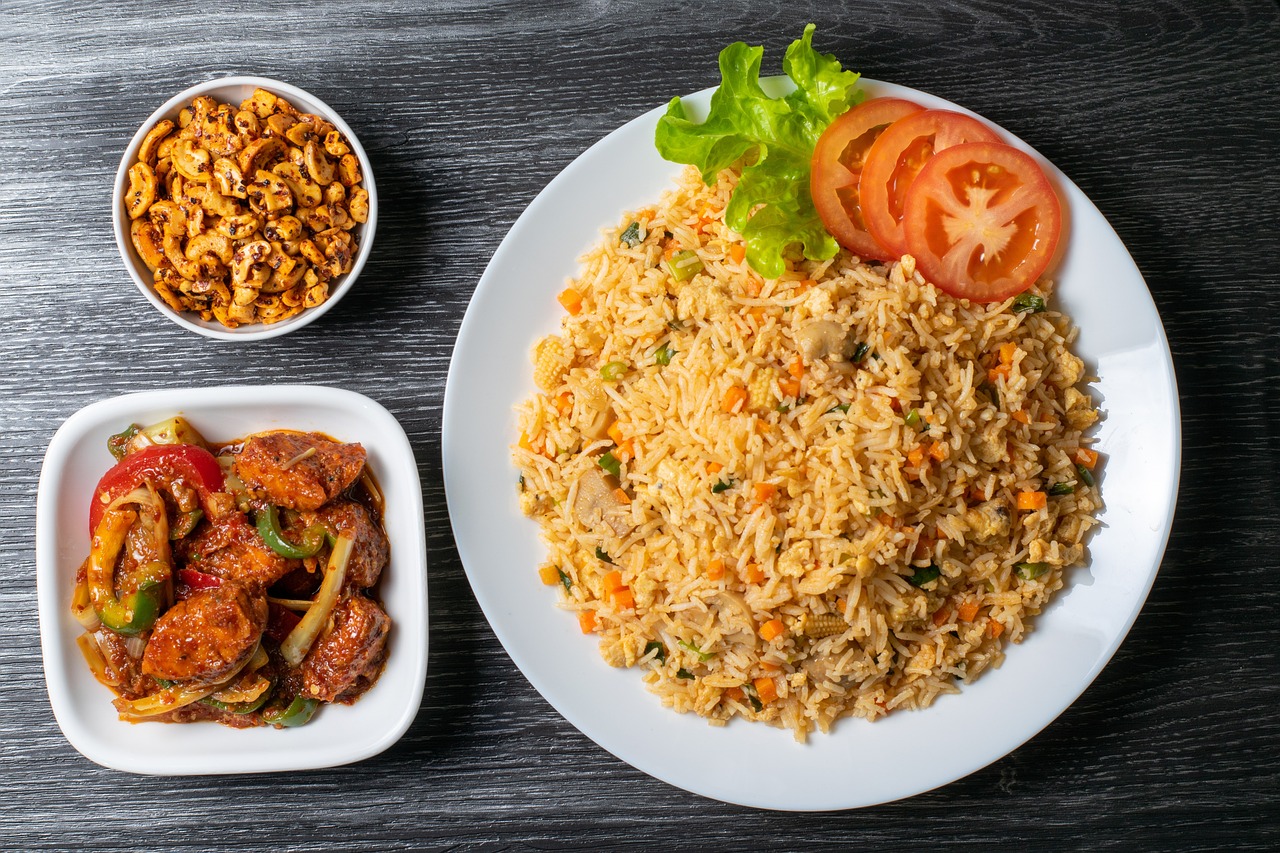
– Wednesday: Egg fried rice with mixed frozen veggies
– Thursday: Chicken enchiladas with black beans & corn. Fruit salad side.
– Friday: Tuna melts with tomato soup & carrot sticks
– Saturday: Vegetable pasta bake. Side green salad.
– Sunday: Veggie & turkey subs with oven fries

Grocery Shop Smart to Stock Up on Essentials

Once you’ve mapped out meals for the week, put together a comprehensive grocery list so you buy only the items needed for planned recipes. Stick to perimeter aisles at the store for affordable whole foods like fruits, veggies, lean protein, dairy, eggs, beans and purchase shelf-stable items in bulk when possible.

Compare prices between name brand and generic store label items, and always check the unit price when deciding between different package sizes. Buying in bulk makes sense if the per ounce cost is cheaper compared to a smaller package size. Purchase produce in season when prices typically dip.

Beyond planned meals, build your budget pantry with versatile base ingredients you’ll reuse often:

– Grains: brown rice, oats, barley, quinoa
– Beans & lentils
– Onions, garlic
– Eggs
– Frozen fruits & vegetables
– Canned whole tomatoes
– Broth
– Spices like cumin, oregano, chili powder

Having these building block ingredients on hand makes it simple assemble affordable meals anytime. If you have the budget cooking skills to maximize the staples mentioned above, you’ll save even more money.

Get Creative Stretching Foods Further

Once the groceries are bought, it’s time to start cooking! The keys to unlocking maximum value from groceries come down to flexibility and creativity.

Substitute cheaper ingredients that make sense for a recipe. For example, use canned beans instead of pricier meats in a chili or veggie tacos rather than ground beef. Stretch ground meat dishes by mixing in chopped mushrooms or browned lentils for extra fiber and texture.

Repurpose leftovers and foods nearing expiration into brand new dishes later in the week. For example, roast chicken pieces transform into filling for enchiladas, sandwiches or salad topping. Near-stale bread, vegetable trimmings and wilting produce gets new life as homemade broth or veggie stock.

Utilize basic cooking methods that save time and money like batch cooking. Roasting sheet pans filled with vegetables yields plenty of healthy sides across meals. Making a big pot of chili, soup or casserole means built-in lunches or effortless future dinners. Preparing a few core items like roast chicken, pot of rice or baked potatoes in bulk allows quick meal assembly all week.

Having an arsenal of budget-friendly recipes helps combine affordable ingredients into balanced meals. Build up your own go-to recipe binder with simple dishes featuring humble whole foods across a mix of cuisines to keep home cooking cost-effective and exciting.

Master Tried and True Low-Cost Pantry Staples

Creating enjoyable meals on a budget boils down to making the most out of a few humble staple ingredients again and again. Here’s a cheat sheet to affordable ingredients that deliver lots of value:

– Proteins: Eggs, canned tuna, beans, lentils, chicken
– Grains: Oats, brown rice, barley, whole grain pasta
– Vegetables: Onions, carrots, cabbage, sweet potatoes, frozen spinach, canned tomatoes
– Fruit: Bananas, apples, seasonal berries

Some examples of staple recipes to have on regular rotation:

– Scrambled egg tacos
– Veggie lentil soup with rice
– Chicken and veggie stir fries with brown rice
– Sweet potato black bean vegetarian chili
– Pasta with tomato sauce and/or canned tuna
– Veggie omelets with toast

See how these dishes maximize inexpensive proteins, veggies and whole grains? Build up your affordable kitchen arsenal by learning 5-10 recipes that showcase budget staples in meals your household enjoys. These important budget cooking skills help push the staples further.

Store Food Correctly to Reduce Waste

Making groceries go further also requires proper storage to prevent spoilage or waste.

For produce storage:
– Keep veggies with skins like potatoes and onions in a cool, dark place like pantry.
– Store delicate greens, herbs and berries wrapped in kitchen towels in crisper drawer of fridge.
– Place ethylene gas producing fruits like apples, bananas separately from sensitive items.

With proteins and cooked foods:
– Store raw meat on lower shelves away from other food. Freeze any you won’t use in a few days.
– Refrigerate leftovers and cooked items in air tight containers, using oldest first.
– Portion out bulk cooked rice, grains or beans into usable amounts and freeze extras.

General fridge and freezer guidelines help groceries maintain maximum freshness as long as possible:
– Set fridge temp at or below 40°F. Place thermometer inside to monitor.
– Cool down hot foods prior to refrigerating to avoid temperature spikes.
– Place items with older dates in front. Label perishable foods with purchase date.
– Freeze anything you won’t use within 3-4 days or per package guidelines.

Learning essential meal planning, shopping, cooking and storage skills helps unlock the savings of home cooking on a budget. Start putting these budget-friendly best practices to work for affordable, fresh and delicious everyday meals. Consistently applying these kitchen skills makes eating well at home for less second nature and saves significantly over convenience food costs long-term.

Frequently Asked Questions

  • Why is meal planning so important for budget home cooking?

  • What are some easy meal planning tips for a busy family?

  • What should I include in a weekly meal plan to save money?

  • How can I find cheap recipes to use in budget meal planning?

  • What grocery shopping tips help me stick to my budget?

  • Should I buy store brand or generic items over national brands to save money?

  • How can I get the best price on fresh produce?

  • What are versatile and affordable pantry staples I should always have on hand?

  • How can I stretch leftover foods into new meals later on?

  • What are the most budget-friendly proteins to cook at home?

  • What are simple cooking methods that save money?

  • How can I batch cook inexpensive basics like rice or beans to use all week?

  • What common kitchen substitutions help cut costs?

  • How should I properly store fruits and vegetables to maximize freshness?

  • What temperature should my refrigerator be set at to make food last?

Filed Under: Budget Basics

  • « Go to Previous Page
  • Page 1
  • Page 2

Primary Sidebar

Recent Posts

  • 10 reasons to choose sourdough
  • Achieving Perfectly Al Dente Pasta: Tips and Tricks from the Pros
  • Why is meal planning so important for budget home cooking?
  • What are some easy meal planning tips for a busy family?
  • What should I include in a weekly meal plan to save money?

Recent Comments

No comments to show.

Copyright © 2026 Bite On A Dime on the Foodie Pro Theme